Sticky Web Font: Spooky Typography for Halloween Design Projects
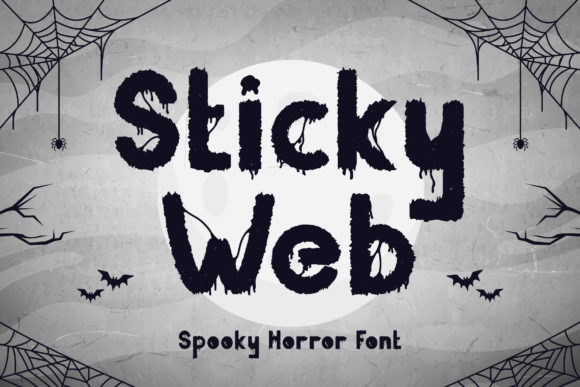
As a web designer, I'm always on the lookout for display fonts that add personality without compromising readability. Sticky Web is a thick-lettered and spooky display font that stands out in digital spaces where a bold visual presence is needed. Designed with Halloween in mind, this font brings an eerie yet stylish edge to headers, banners, and brand-focused elements across websites and landing pages.
Sticky Web for Halloween-Themed Website Headers
Headers are the first thing users see when they land on your site, and they need to make an impression. Sticky Web delivers just that with its thick, attention-grabbing letterforms. Whether you're building a themed online shop or a seasonal campaign page, using Sticky Web in your hero section can immediately set the mood. Its exaggerated strokes and unique character shapes evoke a sense of mystery and fun — perfect for sites selling costumes, decorations, or themed products.
Creating Visual Hierarchy with Sticky Web Display Fonts
Display fonts like Sticky Web play a critical role in establishing visual hierarchy. By using it for main headlines while pairing it with a clean sans serif for body text, you can guide users' eyes toward key messages. This contrast helps maintain readability while ensuring the Halloween spirit shines through. For instance, on a product landing page, Sticky Web could be used for the headline “Get Ready for the Spookiest Season,” followed by a more legible typeface for pricing and features.
Sticky Web in Conversion-Focused Landing Pages
Landing pages thrive on clarity and emotional appeal. Sticky Web can help tap into both. When designing a sales funnel around Halloween events or limited-time offers, this font adds urgency and excitement. Use it sparingly for CTA buttons like “Grab Your Costume Now” or “Join the Halloween Party.” The thickness of the letters ensures visibility even at smaller sizes, making it ideal for mobile users who scan quickly.
Using Sticky Web for Brand Tone and Identity
Fonts shape how a brand is perceived. Sticky Web isn’t just a Halloween font — it's a tool to build a consistent and memorable brand tone. If your business leans into seasonal marketing or has a creative, edgy identity, incorporating Sticky Web into logo text or signature phrases can reinforce your brand’s character. It works especially well for boutique online stores or content creators who want to stand out with a unique typographic voice.
Sticky Web for Online Store Banners and Product Titles
In e-commerce design, typography needs to be both expressive and clear. Sticky Web is a great choice for eye-catching banners and promotional titles. Imagine scrolling through a Halloween-themed online store and seeing a banner that reads “Spooky Deals Start Tonight” in Sticky Web. The thick, playful style draws the eye and makes the offer feel special. Just ensure you pair it with a more neutral font for product descriptions to keep the layout balanced and easy to read.
Responsive Readability Tips for Sticky Web
While Sticky Web is visually striking, it’s important to use it responsibly for responsive design. On mobile screens, avoid using it for long paragraphs or small buttons. Instead, reserve it for short, impactful phrases. When using Sticky Web over dark backgrounds, consider adding subtle outlines or shadows to improve legibility. On light backgrounds, the high contrast of the font already enhances visibility. Always test different weights if available, to find the right balance between style and usability.
Sticky Web for Blog Graphics and Social Media Content
Bloggers and marketers often need fonts that pop in social media graphics. Sticky Web is ideal for Halloween blog headers, newsletter subject lines, or Instagram carousel posts about seasonal trends. Its thick lettering holds up well in thumbnails and image overlays, making it a strong candidate for visual storytelling. For example, a post titled “5 DIY Halloween Decor Ideas You’ll Love” in Sticky Web immediately communicates creativity and theme.
Font Pairing Strategies with Sticky Web
Pairing a decorative display font like Sticky Web with a minimalist base font creates harmony in your layouts. For editorial-style blogs or SaaS landing pages, try combining Sticky Web with a modern sans serif such as Inter or Roboto for body copy. If you’re aiming for a more vintage or horror-inspired aesthetic, a serif font like Georgia or Merriweather might complement it better. Remember, the goal is to let Sticky Web shine in headers while keeping supporting text clean and scannable.
Sticky Web in Creative Portfolios and Personal Branding
Designers and creatives looking to showcase their Halloween-related work will appreciate Sticky Web’s distinctiveness. It adds flair to project names, taglines, and personal branding elements. A portfolio section titled “Web Design That Haunts” in Sticky Web instantly grabs attention and sets the tone for a creative, niche-driven website. Just make sure to include variations like bold or italic styles (if available) to add depth and rhythm to your layout.
Commercial Font Licensing for Sticky Web
Before using Sticky Web in client projects, online stores, or digital templates, verify the licensing terms. Commercial font licenses typically allow usage across websites, digital assets, and marketing materials — but specifics vary. As a UI designer or digital creator, you want to ensure that the font supports multilingual characters and is available in common web formats like WOFF or TTF. Proper licensing also prevents legal issues down the line, especially when scaling your designs for international audiences or large campaigns.
Sticky Web for App Screens and Digital Ads
App designers and digital advertisers can leverage Sticky Web to create engaging, on-brand visuals. In app onboarding screens, a title like “Welcome to the Night” in Sticky Web can enhance user experience with a thematic touch. For digital ads targeting Halloween promotions, this font helps your message stand out in crowded feeds. Always check the file size of the font to ensure it doesn’t slow down your app or ad performance, particularly on mobile devices.
Ensuring Accessibility with Sticky Web
Accessibility is crucial in web design. While Sticky Web is great for visual impact, it should be used strategically to avoid accessibility pitfalls. Ensure sufficient color contrast when placing it on dark or light backgrounds, and never rely solely on decorative fonts for navigation or essential information. For accessibility compliance, use Sticky Web for stylistic accents and pair it with accessible, screen-reader-friendly fonts for body content.
Sticky Web for Branded Web Experiences and Event Pages
When creating event landing pages or branded experiences, Sticky Web adds an element of surprise and delight. Think haunted house event invites, Halloween festival announcements, or themed webinar headers. The font’s personality aligns with immersive brand experiences, making it a go-to for designers crafting interactive web environments. Use it for titles, countdown timers, and feature highlights to maintain a cohesive look while keeping users engaged.
Implementing Sticky Web in Multilingual Projects
If your Halloween-themed website or digital product caters to an international audience, confirm whether Sticky Web includes full multilingual support. Many display fonts focus on English and Latin scripts, so it’s essential to know which languages your chosen font can handle. This ensures your brand remains consistent across all language versions of your site or app, from German to Spanish to French.
Sticky Web for Logo Text and Signature Phrases
Logos and signature phrases are where brands leave a lasting impression. Sticky Web can be used for logo text in businesses that embrace a creative, spooky vibe. A coffee shop with a Halloween-themed launch might use it for a tagline like “Brewed Under the Full Moon.” The font’s thickness and unique curves help the brand feel more alive and memorable. However, for logos that require scalability, always test Sticky Web at different sizes to ensure it maintains clarity and sharpness.
Alternates and Weights for Sticky Web Typography
If Sticky Web includes alternates or multiple weights, these options open up new possibilities for dynamic design. Using bold variants for titles and lighter ones for subheadings can create a layered typographic system. Alternates may allow for slight variations in letterforms, giving your layouts a custom feel. These features make Sticky Web not just a single-use font, but a versatile addition to your digital typography toolkit.
Sticky Web for Editorial Design and Themed Course Pages
Course creators and bloggers with themed content can benefit from Sticky Web’s distinctive style. For a course on Halloween marketing or creative design, using Sticky Web for section headings and chapter titles can enhance the learning experience. It gives the material a more immersive and engaging feel. Just remember to balance it with simpler fonts for reading-heavy sections to maintain user comfort and reduce cognitive load.
Enhancing User Engagement with Spooky Typography
Fonts influence how users interact with your site. A well-chosen display font like Sticky Web can increase dwell time and encourage exploration. When used in headers and call-to-action areas, it reinforces the Halloween theme while prompting clicks and conversions. Users don’t just see the words — they feel them. That emotional connection is what drives engagement, especially during peak seasons like October and November.
Sticky Web for Portfolio Sites and Niche Branding
Portfolio sites for illustrators, photographers, or Halloween artisans can elevate their visual storytelling with Sticky Web. A section header like “Ghosts & Glamour” in Sticky Web sets the tone for a collection of themed work. It’s also useful for niche branding, where standing out is key. If your brand identity is centered around creativity and seasonal themes, Sticky Web can help you communicate that clearly and memorably.
Optimizing Scanning Behavior with Thick-Lettered Fonts
Thick-lettered fonts like Sticky Web can affect how users scan content. They draw attention quickly but aren’t suited for long-form reading. Use Sticky Web for headlines and section titles to anchor the user’s eye and break up dense blocks of text. This is especially effective in content sections with lots of imagery or bullet points, where visual variety improves comprehension and retention.
Sticky Web for Dark Backgrounds and Image Overlays
Dark mode is becoming standard in many digital platforms, and Sticky Web performs exceptionally well in those settings. Its thick strokes and defined edges ensure that it remains legible against black or deep purple backgrounds. When overlaying text on images, opt for a semi-transparent white background or stroke effect to make Sticky Web pop. This technique is perfect for Halloween email campaigns or video thumbnails with a moody backdrop.
Testing Sticky Web Across Platforms and Devices
To ensure Sticky Web looks great everywhere, test it across desktop, tablet, and mobile views. Pay attention to how it renders in different browsers and operating systems. Some display fonts can appear inconsistent due to anti-aliasing or rendering differences, so previewing is key. If Sticky Web is available as a webfont, consider using @font-face with fallback options to maintain consistency and performance.
Sticky Web for Halloween-Themed Digital Products
Digital product creators — think planners, printables, or templates — can use Sticky Web to give their Halloween offerings a professional yet playful finish. A planner titled “Spooky Goals for the Season” in Sticky Web feels curated and intentional. The font’s boldness allows it to hold up well in PDFs, JPEGs, and other downloadable formats, making it a reliable choice for Halloween-themed digital goods sold on platforms like Gumroad or Teachable.
Building a Consistent Halloween Brand with Sticky Web
A consistent brand requires a consistent font. If you're running a Halloween-themed SaaS or coaching site, Sticky Web can become part of your brand kit. Use it for hero titles, button labels, and email signatures to maintain a unified identity. This level of typographic cohesion builds trust and familiarity, helping your audience recognize and remember your brand more easily.
Sticky Web in Interactive Web Elements and Microinteractions
Interactive elements like hover effects, modals, or animated transitions can benefit from Sticky Web’s dramatic style. A button that says “Enter the Forest” in Sticky Web becomes more than a link — it becomes an invitation. For microinteractions, like form submissions or loading animations, consider using Sticky Web for confirmation messages or progress indicators. The font’s weight and character design lend themselves well to bold, attention-demanding interactions.
Final Considerations for Using Sticky Web in Real Layouts
Always evaluate Sticky Web within the context of your layout. Does it fit the overall color scheme? Does it scale well on different screen sizes? How does it interact with other design assets? Answering these questions early on ensures that your Halloween-themed design remains both functional and beautiful. This font is best used in controlled doses — as a display font, it’s meant to highlight, not overwhelm.
Whether you're launching a seasonal campaign, designing a themed website, or creating Halloween digital products, Sticky Web is a powerful ally. Its thick, spooky style makes it ideal for headers, logos, and call-to-action areas where you want to command attention and evoke emotion. Combine it thoughtfully with complementary fonts, follow licensing guidelines, and test its performance across platforms to get the most out of this premium display font.